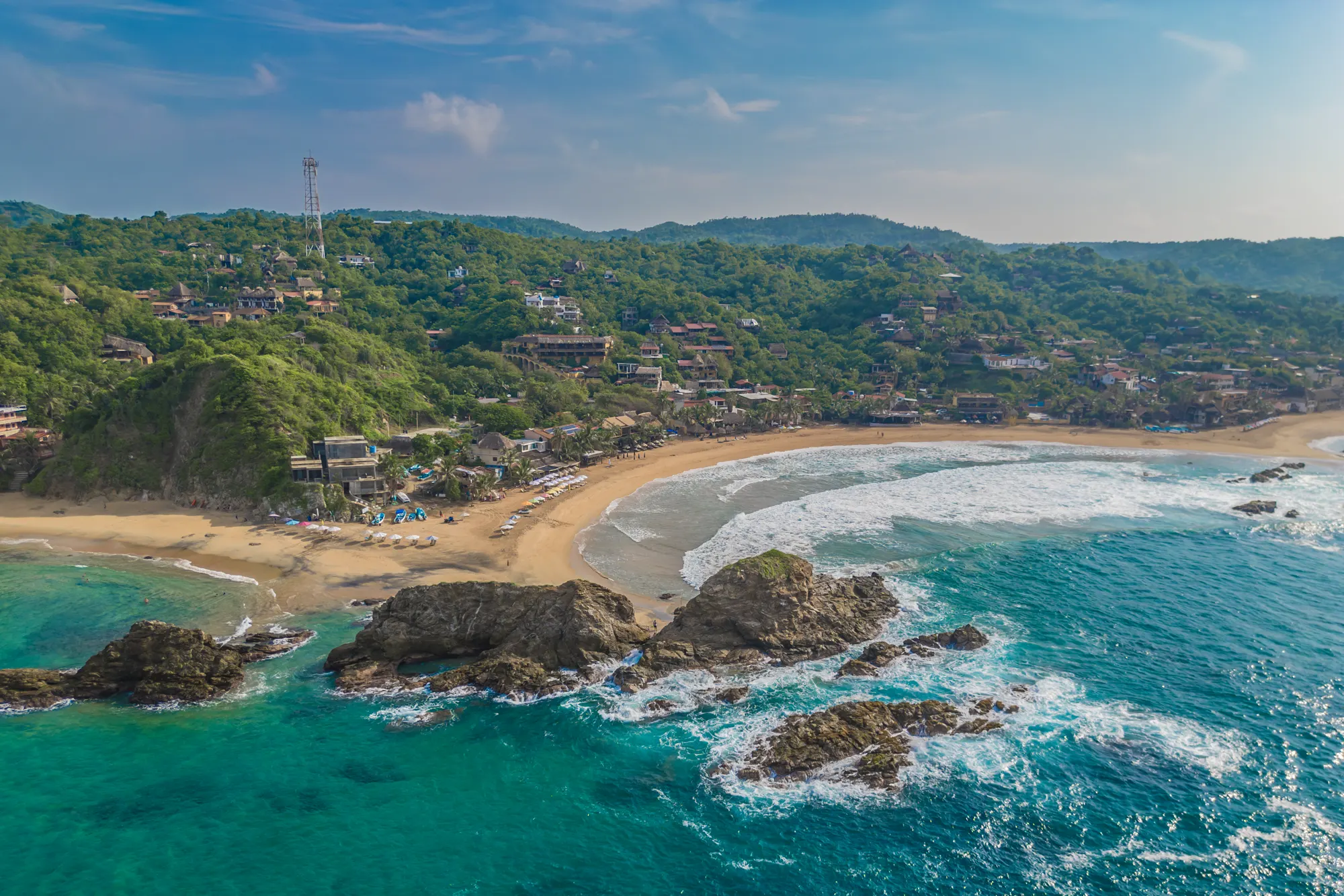
The weather in Mazunte comes in two seasons: dry from November to April, rainy from May to October. It is hot in both. What changes is the water: from December to April it barely rains, and June and September are the wettest months. Between those two extremes the jungle changes color, the sky changes mood, and so do the animals you can see. Here is what the data says, so you can pick your dates with a clear head.
November to April: the dry season
From December to April it barely rains. November is already dry, although it can still bring some rain. Daytime highs average 90 to 91 °F (32 to 33 °C) and lows 70 to 73 °F (21 to 23 °C), so the nights stay warm. The coolest ones come from December to February, with lows of 70 to 72 °F (21 to 22 °C).
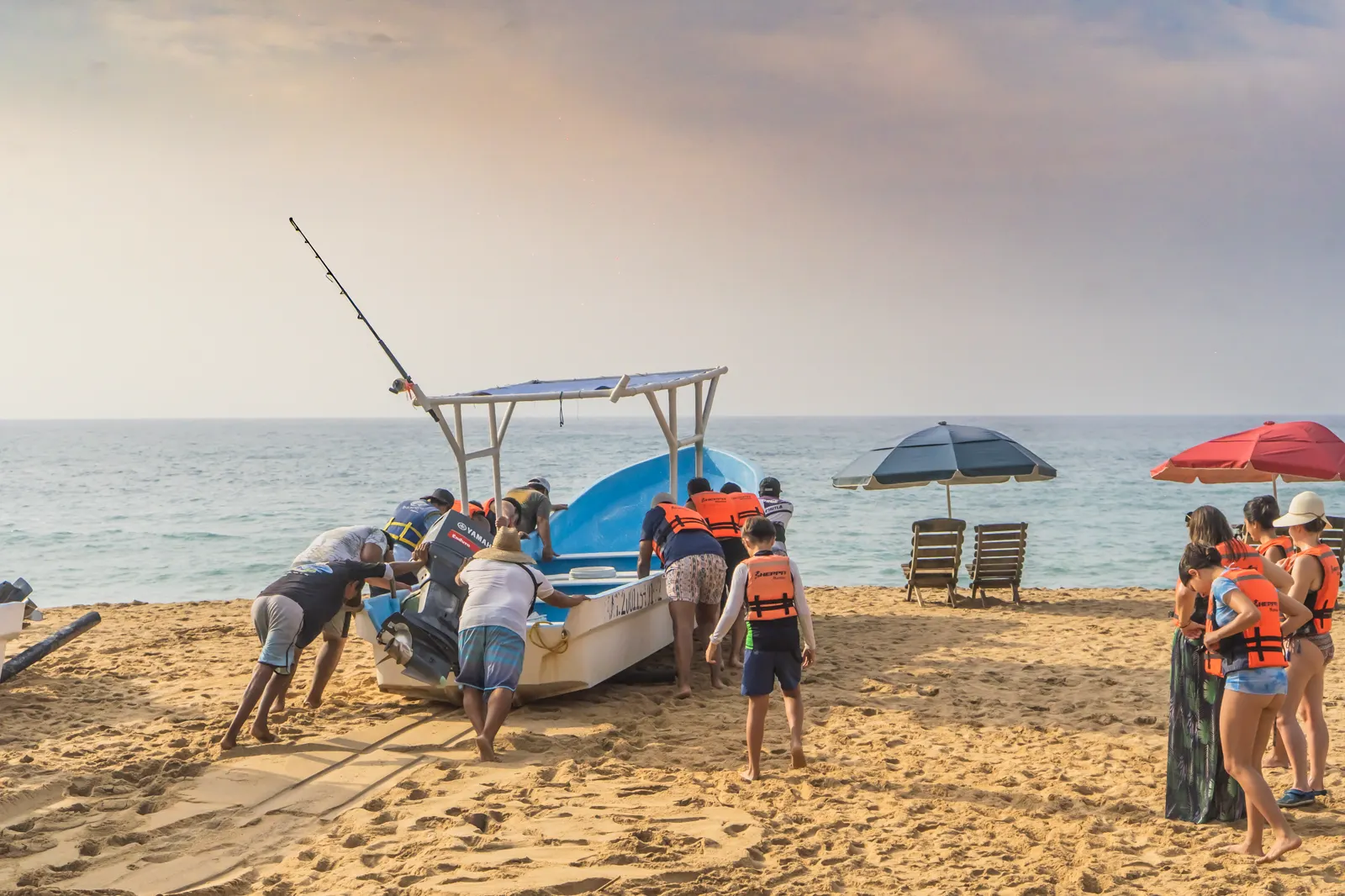
This is also humpback whale season. Along the Oaxaca coast the official season runs, broadly, from mid-December through March, and Puerto Ángel–Mazunte is one of three authorized whale-watching zones, along with Bahías de Huatulco and Puerto Escondido. Trips go out by lancha, a small motorboat, and whale watching is regulated by the official standard NOM-131-SEMARNAT-2010, so it is worth choosing operators that follow it.
May to October: rain, green jungle and sea turtles
May marks the turn, with the first rains. June to October is when it rains the most: nearly all of the year's rain falls in those months, with June and September leading. Highs hold at 90 to 91 °F (32 to 33 °C). The jungle turns green and the heat stays put: it just rains more.
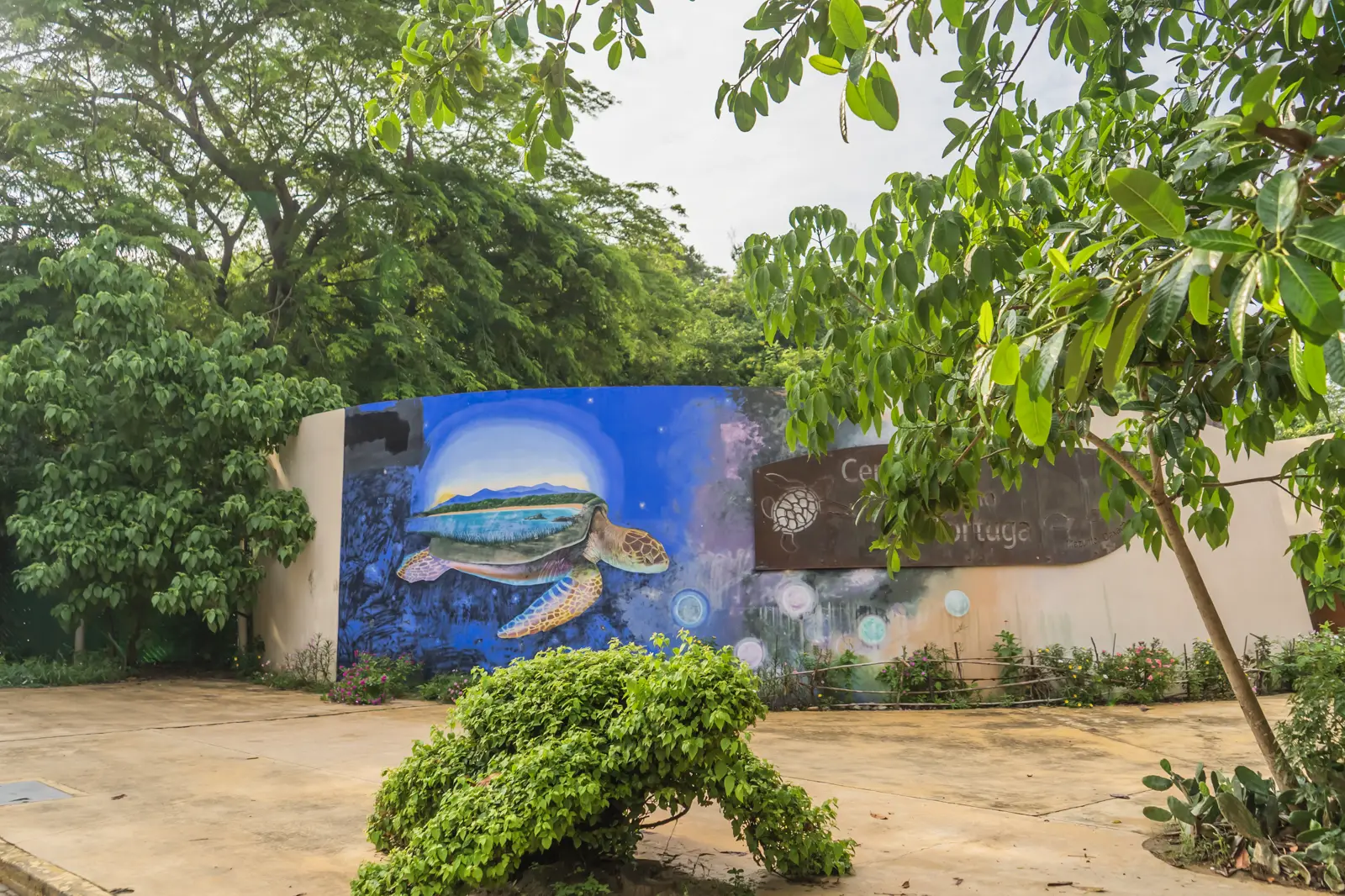
It is also turtle season. At Escobilla beach, in the municipality of Santa María Tonameca, which includes Mazunte, the olive ridley nesting season starts in May and runs through February or March. The arribadas (mass nestings, when thousands of turtles come ashore at once) change dates every year, so check with Mexico's National Commission of Natural Protected Areas (Conanp) before you plan a visit. In Mazunte itself there is the Centro Mexicano de la Tortuga; check its opening hours before you go.
One thing to plan around: the Pacific tropical cyclone season runs from May 15 to November 30. If you are traveling in those months, check the National Meteorological Service forecast the week of your trip.
May and November: the months in between
If you want less rain without waiting for December, look at November: rain is already light, although the cyclone season stays open until the 30th. May is the mirror image: the first rains arrive, cyclone season is just opening, and it is the hottest month of the year on average. They are transition months: little water, but with the cyclone calendar open.
Weather in Mazunte month by month
- January to April: dry, almost no rain. Whales through March.
- May: the rains begin and cyclone season opens (May 15). It is the hottest month of the year on average.
- June to October: frequent rain and sea turtles. June and September are the wettest months.
- November: the dry weather returns and the cyclone season ends on the 30th.
- December: dry, and the whales arrive mid-month.
So, when should you go?
- Near-certain sun and whales: December to March.
- Sea turtles and the jungle at its greenest, rain included: June to October.
- A middle ground with little rain: November and April.
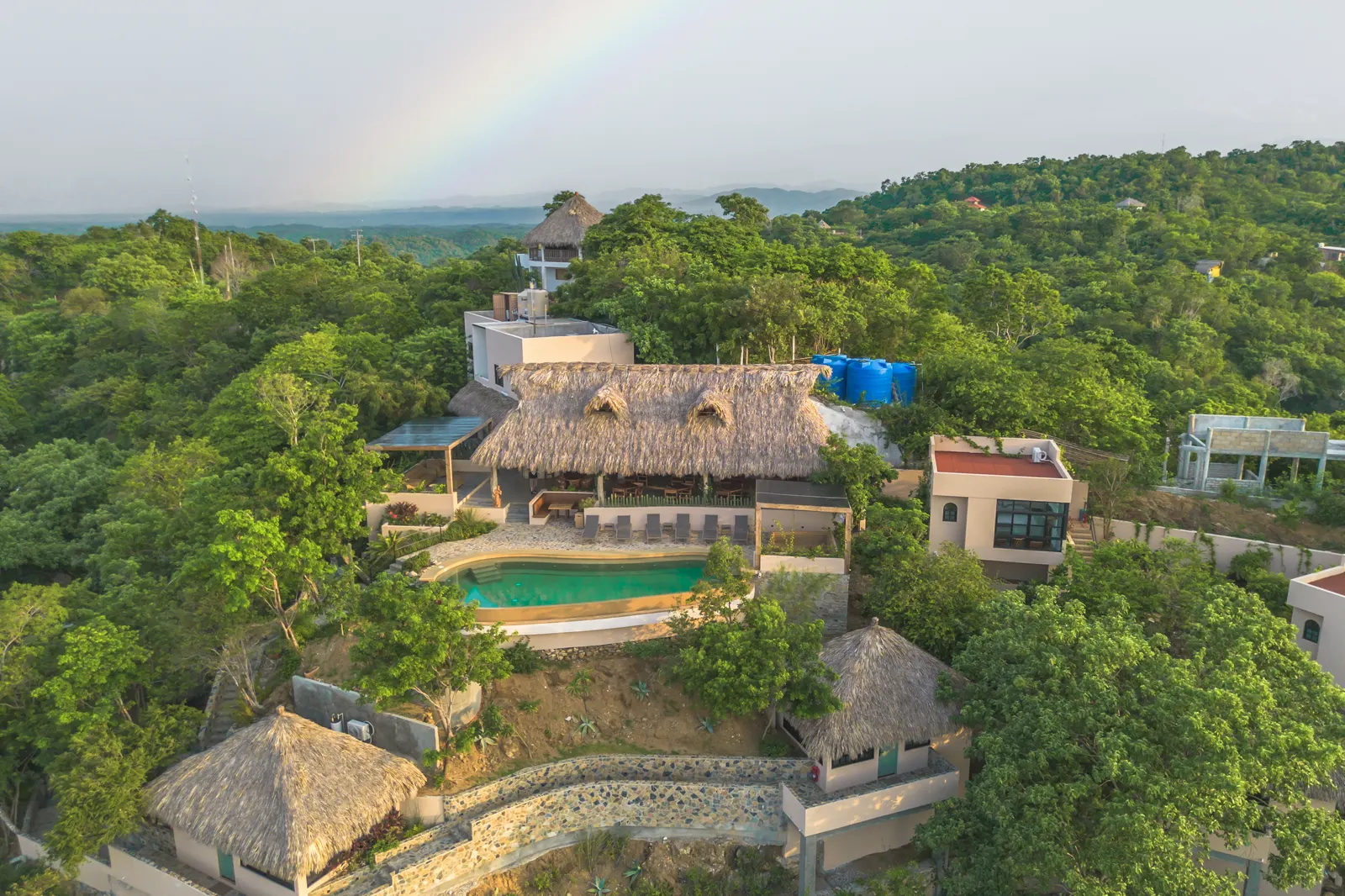
Casa Las Almas is an adults-only hotel in the hills above Mazunte: eight casitas among native trees and gardens, an infinity pool and views of the Pacific in the distance. If you already have dates, see the casitas; if not, see what to do in Mazunte.
Where the data comes from
The temperature averages and the monthly pattern of rainfall come from the Puerto Ángel station of Mexico's National Meteorological Service. They are long-term averages, and any given year can differ. Whale and turtle dates are set by environmental authorities and shift from year to year.
Eight casitas in the hills above Mazunte, adults only.
See the casitas